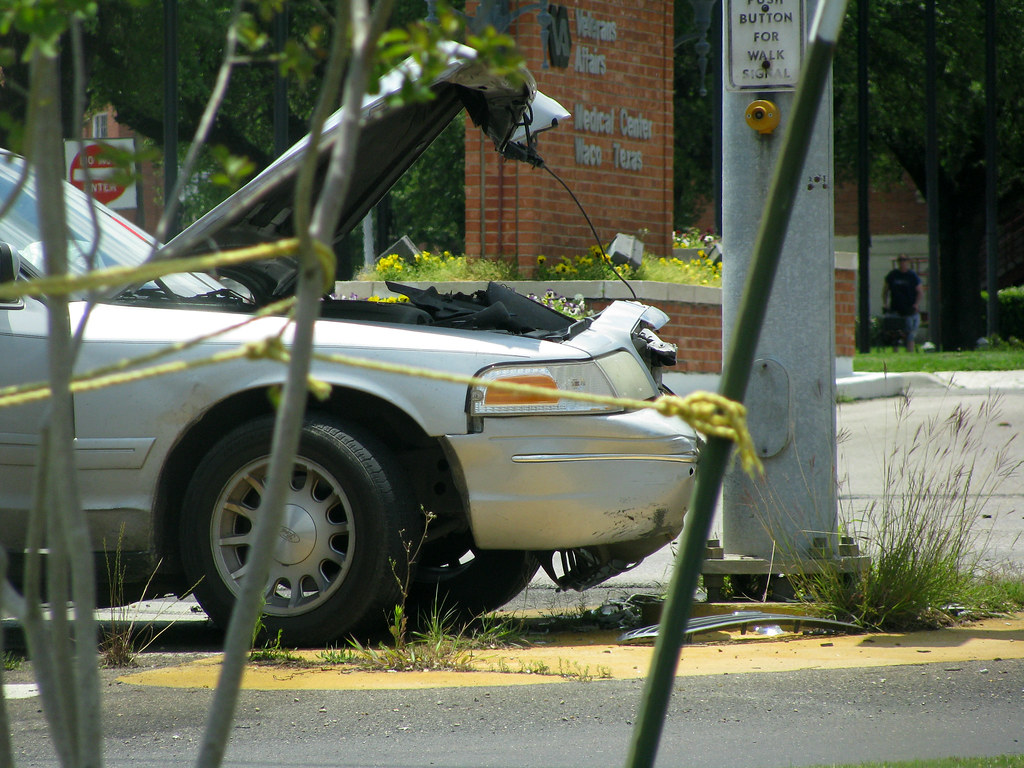
There's a short answer to why auction cars are cheap: the seller is almost never an owner looking to make a profit, but rather an insurance company that has already paid out on a total loss and is now just looking to recoup some of its costs—quickly and on a large scale. There's no hidden catch or charity involved: it's insurance economics combined with an industry that sells millions of vehicles a year. Here, I'll explain where the discount comes from, how much it really is, and at what point in the billing process people end up losing it.
The seller isn't negotiating: he's clearing out his inventory
When a private individual sells his car, he insists on “what it’s worth” and haggles until the very end. An insurance company does the opposite. It has already issued the check to the policyholder, so that vehicle is recorded as a loss on its books: every dollar it recovers at auction is pure recovery, not a profit it needs to maximize.
Add to that the fact that keeping a car parked costs money every day, including weekends. The institutional seller’s incentive is to close the deal right away, not to wait six months for the perfect buyer. That pressure to sell quickly and in large volumes structurally drives prices down. The system is designed that way.
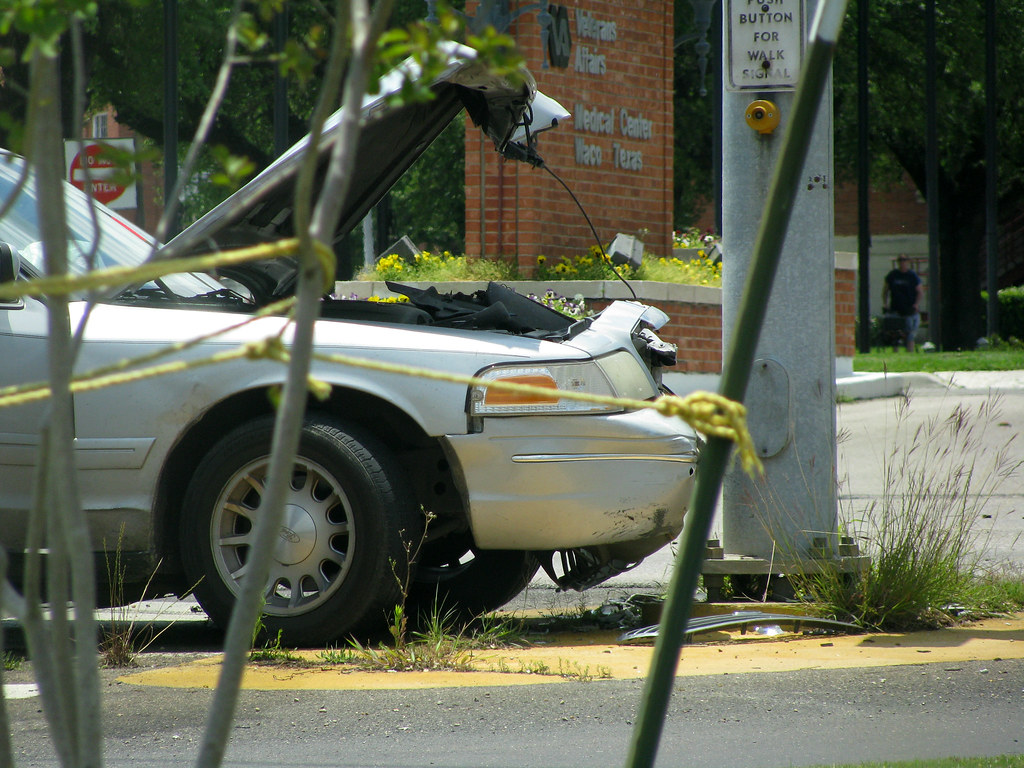
Total Loss: How a Car Ends Up as Copart or IAAI
The bulk of the inventory stems from a cold calculation: if the estimated repair cost exceeds a certain percentage of the vehicle’s value (the threshold varies by state and insurance company), the vehicle is declared a total loss. The title is changed to “salvage,” and the car can no longer be driven or sold as a regular used car in that market until it is repaired and inspected.
That label immediately cuts into domestic demand: most U.S. buyers don’t want to deal with salvage vehicles. Less demand with the same supply means lower prices. And that’s where international buyers come in—they can repair the vehicles using cheaper labor in their own countries and register them according to their own regulations.
It’s not all about accidents, by the way. We also accept vehicles with hail or flood damage, recovered stolen vehicles, fleet replacements, leased-back vehicles, and bank repossessions—the latter often with a clean title and no damage whatsoever.
The supply is industrial-scale: millions of units per year
The numbers speak for themselves. Copart reported revenue of US$4,650 million and more than 4 million units sold in its 2025 fiscal year, with over 250 locations in 11 countries and approximately one million members in more than 185 countries. IAA, its direct competitor, sells to buyers in more than 170 countries. No local used-car market can handle such a volume: the auction relies on buyers from all over the world, and prices are set based on that global logic.
Weather conditions lead to spikes in supply. After a major hurricane, junkyards in the affected area receive waves of water-damaged vehicles within a matter of weeks: more supply of the same type of lot, softer prices in that segment… and more hidden risks, which you should screen out by checking the vehicle’s history before getting too excited.

How much cheaper? The 20–40% rule
U.S. pricing guides use a rule of thumb: a vehicle with a salvage title is valued between 20% and 40% below its clean-title equivalent, according to Kelley Blue Book; Edmunds cites discounts of up to 50%. Let’s be clear: this is a general industry rule, not a statistic. The actual discount depends on the damage, the model, and how much competition there is that day in the virtual auction room.
A Corolla with scratches isn't worth as much as one with a bent frame, even if both are listed as "salvage" in the title. That's why the question of why auction cars are cheap always leads to another: just how cheap are they? this that particular lot, with this Damages? That amount is calculated on a case-by-case basis; it is never assumed.
The Full Story: The Hammer Is Just the Beginning
This is where the discount is won or lost. The first invoice takes everyone by surprise: the charges can amount to nearly one-fifth of the bid. Here’s an illustrative example based on a winning bid of US$4,000, using Campo Brokers’s infrastructure:
| Concept | Approximate amount (USD) |
|---|---|
| Winning bid (hammer price) | 4,000 |
| Buyer fee for unlicensed individuals (US$4,000–4,499.99 range) | ≈ 725 |
| Fixed yard fees (gate, environmental, title transfer) | ≈ 130 |
| Virtual bid fee (by tier, approx.) | 39 – 165 |
| Platform purchase fee | 300 |
| Pre-Alert (Payment and Reconciliation) | 107.50 |
| Railway Crane Management Central Dispatch | 50 + transportation |
| Reference Ocean Freight Rates (Caribbean) | 700 – 900 |
| Estimated total before repairs and taxes | ≈ 6,050 – 6,380 |
Estimated figures for 2026; may vary by state/country. Please confirm before bidding.
Is it still a good deal? Compare that total to the price of the same model that’s already been imported and repaired in your market. In many countries, the difference is still significant, but you’ll only know for sure by crunching the numbers: the auction calculator and the Tax Calculator by Country They do that work for free before you make an offer.
How to Get the Discount Without Buying a Problem
- Filter by history. A report Carfax starting at US$3.99 Check for structural damage, water damage, or a tampered odometer before you bid—not after.
- Confirm the title with your country. Salvage, rebuilt, or clean: Check what your customs office and local registration authority accept before looking at prices.
- Get a quote for the repair at your local repair shop, not in the U.S. Cheap local labor is the other half of the business; without it, the discount is diluted.
- He operates his own business. Campo Brokers is a direct-access software platform, not an intermediary: the auction account is in your name for an annual membership fee of US$5 plus a refundable deposit, and you decide on the lot and the bid limit. Details are available on the unauthorized access to Copart e IAAI and in how it works.
The discount is real, and there’s a structural reason for it. What doesn’t exist is a shortcut: anyone who buys without a track record, without a full quote, and without understanding the process ends up paying the “real price” plus interest. Those who do their homework, on the other hand, buy for less what others sell for more—every month.