Why buy cars from U.S. auctions? Because the same vehicle is usually valued at 20% to 40% less than its equivalent with a clean title, the supply is enormous—the U.S. alone sold more than 4 million units in fiscal year 2025—and today a Latin American importer can bid directly, without needing its own dealer license. Price, scale, and access: that’s the formula for a boom. What those “incredible deals” videos don’t tell you is that you’ll only actually save money if you calculate the total cost before raising your hand. Let’s take it step by step, using verifiable numbers.
The first reason is the price—based on facts, not promises
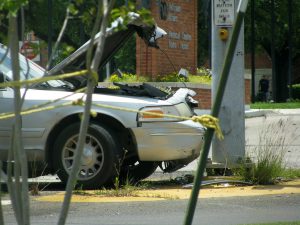
The United States generates a steady stream of vehicles that insurance companies declare a total loss following a crash, a hailstorm, or a flood. Many have minor or purely cosmetic damage, but they can no longer be sold as “normal” cars in that market, so they end up being auctioned off at Copart and IAAI.
U.S. price guides follow a rule of thumb: a vehicle with a salvage title is worth between 20% and 40% less than its clean counterpart, according to Kelley Blue Book, and Edmunds even mentions discounts of up to 50%. Let’s be clear: this is a general industry rule, not an exact statistic. A salvage vehicle with structural damage may be worth much less than that… or may not be worth anything at all. The discount exists; it’s up to you to check each lot.
The second reason is a scale that is hard to imagine
The official figures illustrate the size of the market. Copart reported revenue of US$4,650 million for its 2025 fiscal year, more than 4 million units sold, approximately one million members in more than 185 countries, and more than 250 locations in 11 countries. IAA, its direct competitor, sells to customers in more than 170 countries.
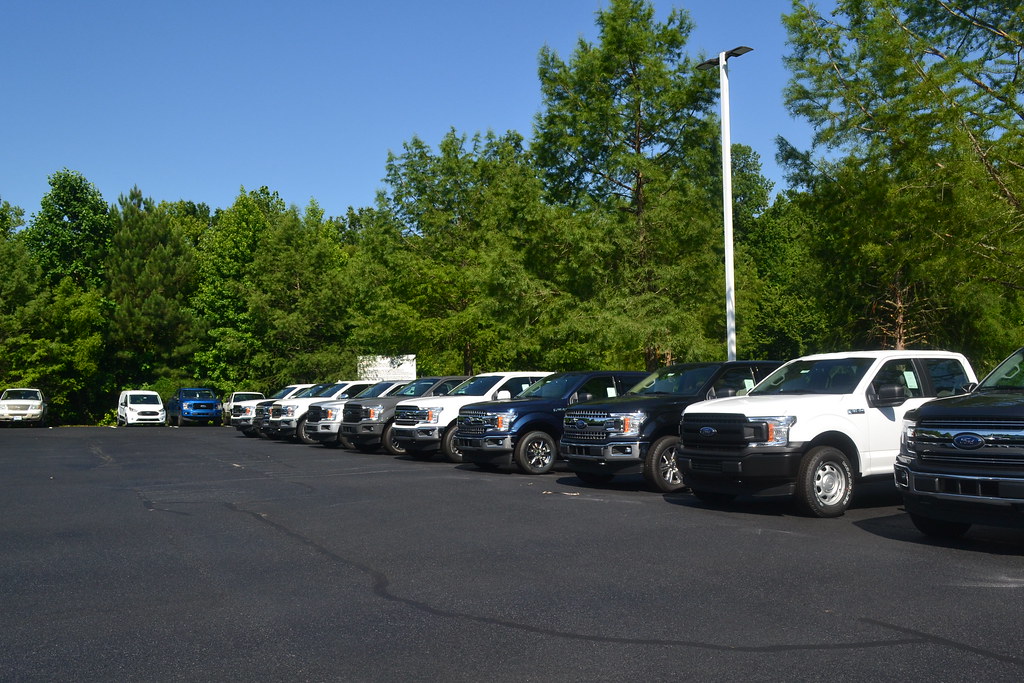
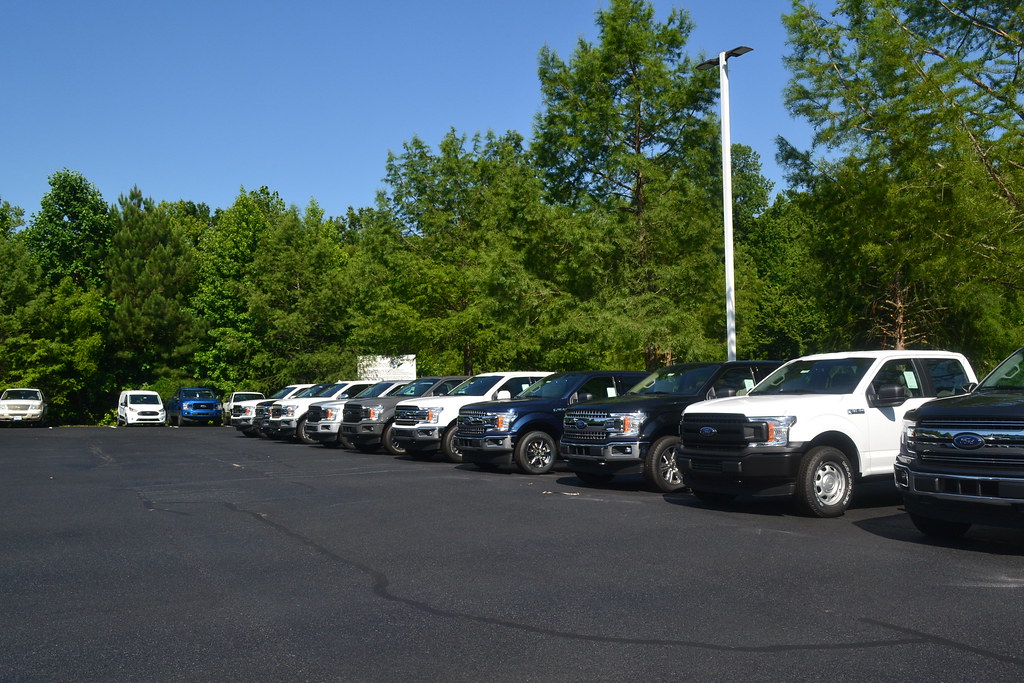
For you, that range translates to a variety that no local Latin American market offers: compact cars, sedans, SUVs, pickup trucks, hybrids, and electric vehicles—in versions and trim levels that aren’t even sold in your country. You can search for exactly the model and year you want, instead of settling for whatever’s available at the dealership down the street.
The third reason is access: three possible routes
A few years ago, this was almost exclusively the domain of licensed dealers. Today, there are three ways to get into the market, and it’s worth comparing them objectively:
| Access Route | Admission Fee | Bidding Power | How You Operate |
|---|---|---|---|
| Public membership of Copart (Basic) | US$99/year | Up to US$2,000 in total bids without a deposit | Self-Management, All in English |
| Public membership of Copart (Premier) | US$249/year + a refundable deposit of US$400 | Up to US$100,000 (a deposit of 10% of your planned bid) | Self-Management, All in English |
| Traditional broker | According to the supplier | The broker manages the account for you | You're at the mercy of their schedules and fees, and it's almost always in English |
| Shortcut software (Campo Brokers) | US$5/year membership fee upon activating a plan + refundable deposit (US$400 or US$800) | A cap of US$10,000 or US$20,000, depending on the plan, well above the basic public health insurance coverage | An account in your name—you decide and place bids; support available in Spanish |
Estimated figures for 2026; may vary by state/country. Please confirm before bidding.
The fundamental difference lies in who controls the process. With Campo Brokers, the auction account is registered in your name and backed by licenses from partner dealers: no one makes decisions for you or bids on your behalf. It is a technology platform, not an intermediary. Details about the model can be found on the unauthorized access to Copart e IAAI.
The fourth reason: Today, you can find out the final number before bidding
For years, the biggest fear was buying blindly. That has changed. Before placing a bid, you can look at dozens of photos, request a report Carfax starting at US$3.99 to rule out tampered odometers or serious damage, and to run the full checks: the auction calculator add fees and logistics, and the Tax Calculator by Country Estimate how much you'll pay at customs.
Here’s a fact that surprises every first-time buyer: on a bid of US$4,000, the buyer’s fee for an unlicensed buyer alone is around US$725—nearly an 18% markup, before towing and shipping costs. Knowing this before you bid—rather than when you receive the invoice—is the difference between an informed decision and a gamble.
What to Watch Out For to Ensure Real Savings
- The title says it all. Make sure your country accepts the type of title (clean, salvage, or rebuilt) before you bid—not after.
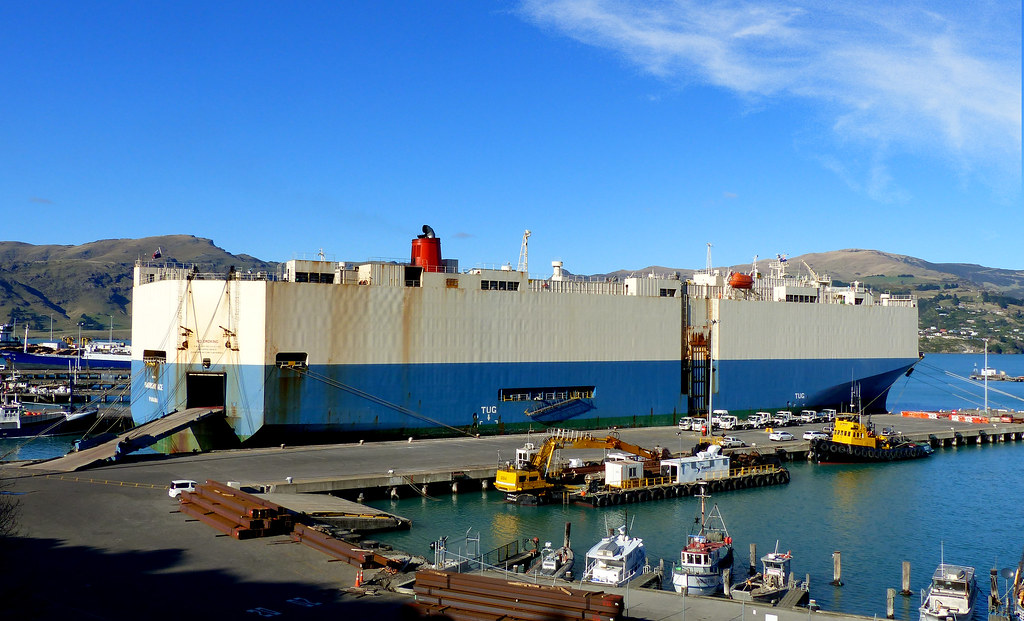
- The hammer is just the beginning. Add the buyer's fee, fixed yard fees, internal crane fees, freight, and taxes. The typical ocean freight rate to the Caribbean is around US$700–900.
- A track record saves money. Serious accidents, water damage, or a tampered odometer are detected through the report, not through the photos.
- The logistics must be worked out. From the platform, you coordinate the rail crane Central Dispatch and, if the vehicle needs to be prepared for export, the network of export workshops.
Who is this path right for, and who isn't?
Buying cars at auctions in the U.S. is a good option for those who can wait through the weeks of logistics, compare lots objectively, and, when necessary, have repairs done at their destination using cheaper local labor. It’s not a good option for those who need the car tomorrow or don’t plan to check its history or VIN: in those cases, the discount quickly disappears.
If you're in the first group, it doesn't cost much to try it out: a US$5 annual membership fee, a refundable deposit that's returned when you close your account with no outstanding balance (4–10 days), and free calculators in Spanish. Start with the step-by-step documentation and check how it works the entire process before you place your first bid.